In today’s global landscape, civil society faces unprecedented pressures, including shrinking spaces for activism, funding constraints, and rising political challenges. Now more than ever, it is critical to reimagine development and bring it into practice in ways that genuinely serve communities. In recent weeks, I have been listening to the Alternative Convos podcast by Charles Kojo Vandyck, where activists and practitioners challenge conventional development narratives in Africa and reflect on what development looks like when grounded in lived experience.
This blog is the first in a series reflecting on how development can be reimagined. Drawing on insights from Jacqueline Asiimwe of CivSource Africa, Fifi Boateng of the West Africa Civil Society Institute, and Robert White of the Tilitonse Foundation, I explore how reimagining development goes beyond money and formal frameworks. Instead, it calls us back to the roots of development by centering humanity, culture, and people.
Development Beyond Money
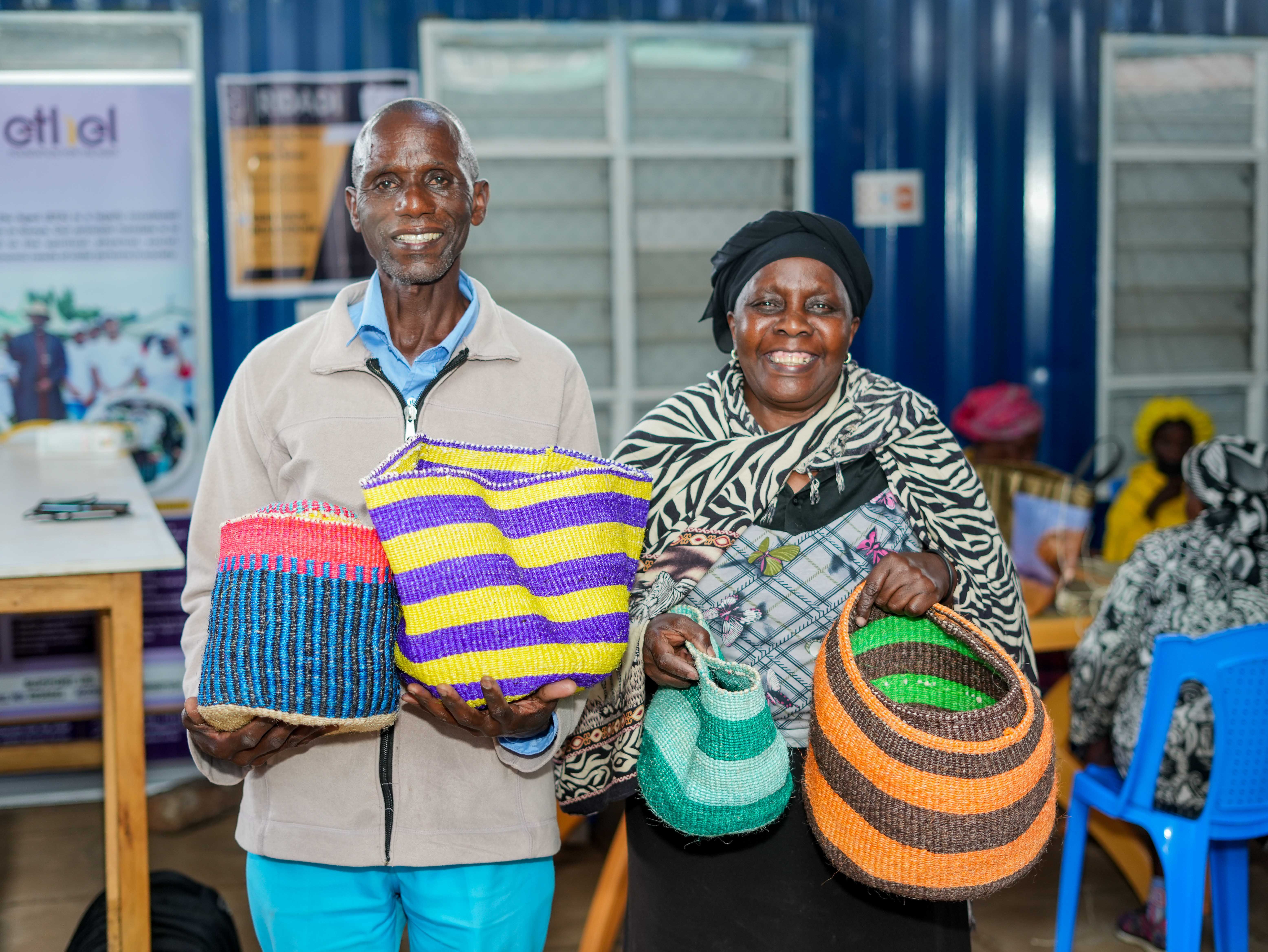
Development and giving are often reduced to money, grants, and aid. The giving and caring existed in Africa long before formal development arrived. Jacqueline Asiimwe reminds us of the original meaning of philanthropy: love of humanity. “It is not only about giving money during weddings and funerals,” she says. Communities have long supported one another through shared responsibility, reciprocity, and everyday acts of care that sustain people through life’s challenges.
These practices are relational, circular, and deeply embedded in culture, standing in contrast to the linear approaches that often shape modern development interventions. They reflect systems that value relationships, trust, and collective well-being.
The community practices are deeply embedded in culture. Fifi Boateng emphasizes that development systems cannot be separated from cultural context. Africa is diverse, and solutions that work in Ghana may not work in Nigeria. Even within countries, subcultures shape how communities organize, support one another, and define their priorities. Understanding community challenges, therefore, requires careful listening, observation, learning, and adaptation to how people define their own realities. When development overlooks culture and subculture, it risks imposing solutions that fail to resonate or endure. Together, Jacqueline and Fifi show that development is not just about resources, but about building on what communities already hold, know, and practice.
Communities at the Center of Development
It is important to ensure that the people for whom change matters are integral to the process. There should be a shared responsibility for every decision and action. Robert White highlights that meaningful development depends on keeping communities at the center. Communities must identify their own challenges, shape solutions, and guide the change they wish to see. Impact occurs when communities lead the process and when funders, partners, and teams align to support that leadership.
Jacqueline’s insight that communities already possess knowledge, networks, and practices strongly complements Robert’s perspective and challenges the solutions that are imposed from the outside.
At the same time, without understanding culture, even well-intentioned interventions can miss the mark. Fifi shares an example of a water scarcity intervention that brings water closer to villages without recognizing the relationships and bonds women build while fetching water from afar. While the intervention may solve a technical problem, it can unintentionally disrupt critical social connections. These nuances are often invisible to external actors, yet deeply meaningful within communities. Ignoring them means the same challenges keep resurfacing. Robert’s emphasis on community leadership resonates deeply with Fifi’s insights, as both bring us closer to the community’s way of doing and being.
Building from What Exists
These conversations reinforce a powerful lesson. Development that begins with love for people, respect for culture, and shared responsibility becomes relational, humble, and enduring. Support rooted in humanity does not collapse, but it adapts, grows, and persists because it is anchored in trust, relationships, and collective purpose.
Reimagining development is not about inventing new tools or frameworks. It is about going back to where it all began and returning to the roots of development itself. It means recognizing and strengthening what already exists within communities. Humanity is the foundation of impact, culture shapes how that impact unfolds, and responsibility must be shared for change to endure. If development is to remain relevant in an increasingly uncertain world, it must begin where it started, with people, with relationships, and with the wisdom communities have carried all along.
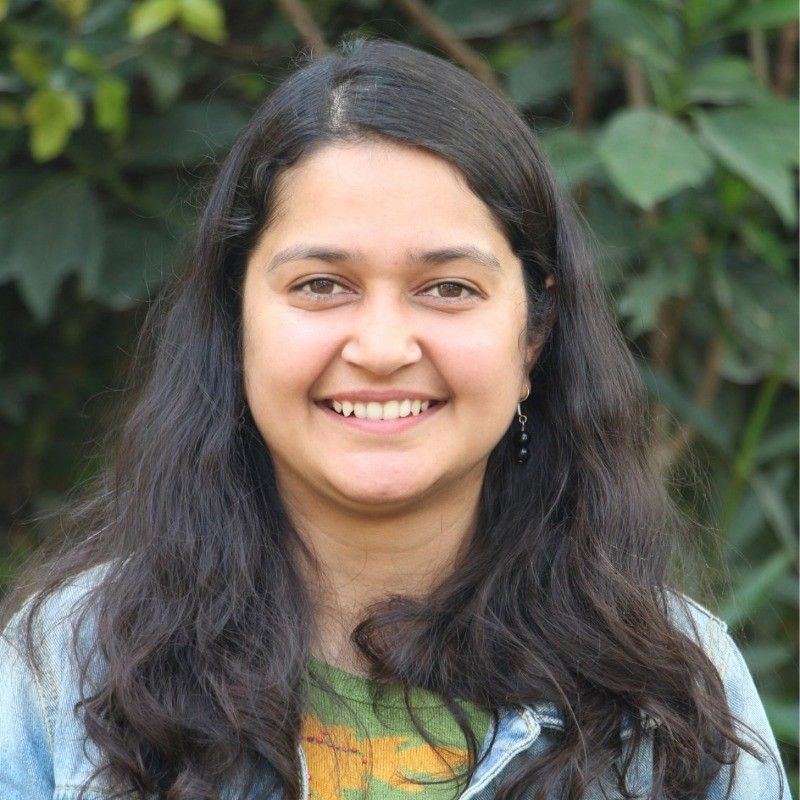
- Soni is a Development Consultant based in Denmark, working with social enterprises and non-profits across South Asia, Africa, and Europe. She is also the #ShiftThePowerFellow (2023/24).